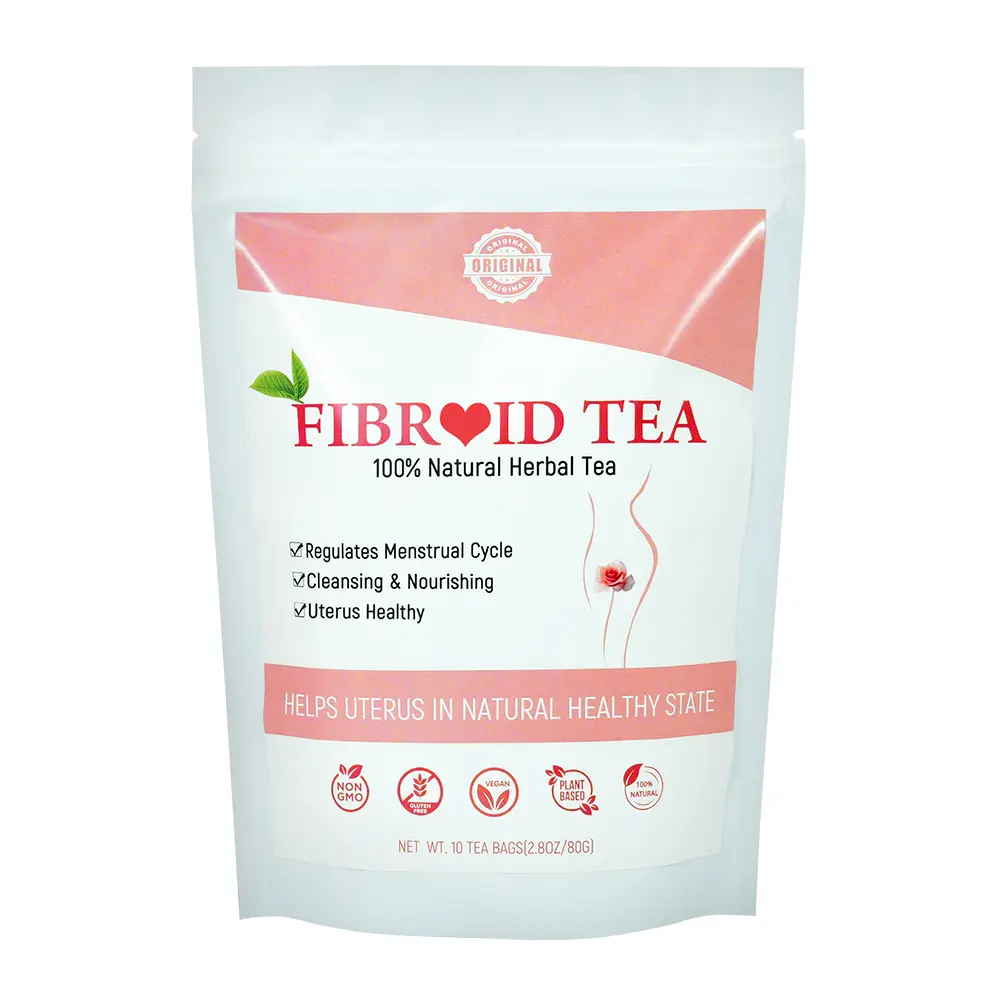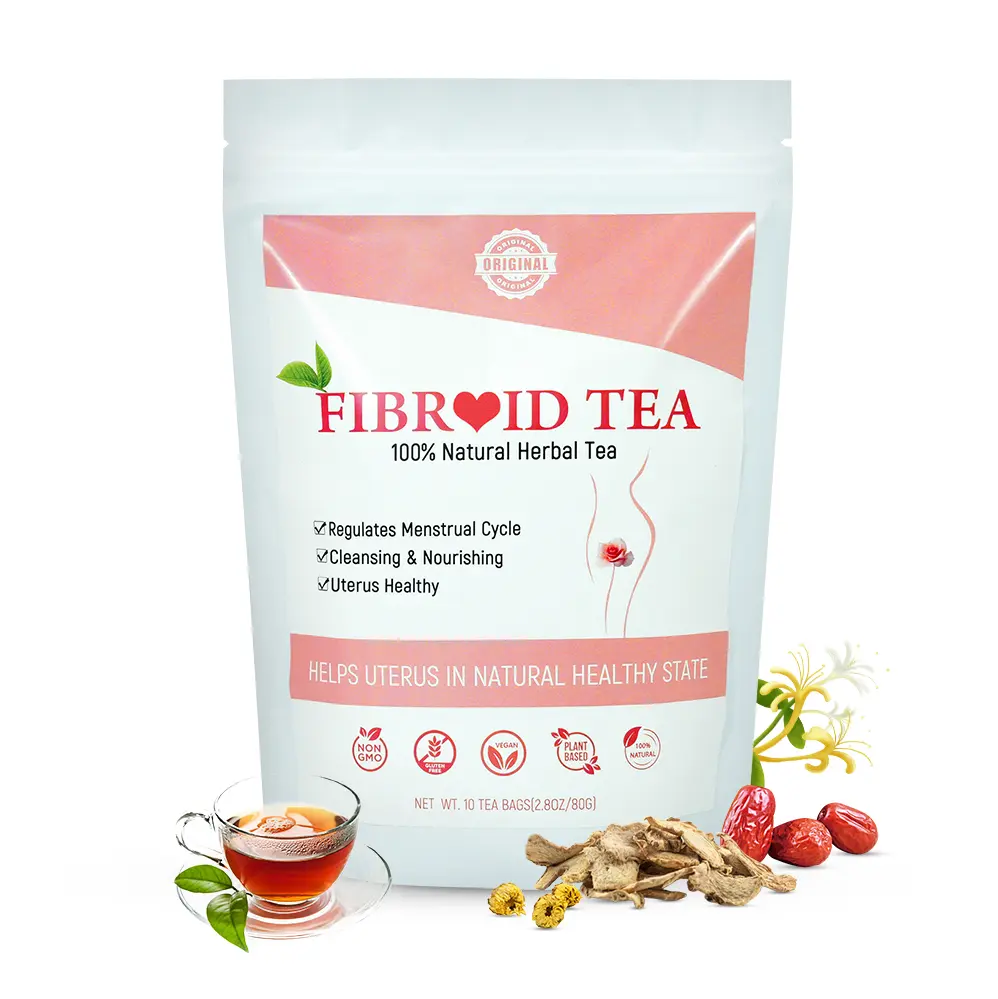
Which Type of Tea Can Relieve Uterine Fibroids?
HiherbsOfficial
Exploring the potential of fibroids tea herbs and separating fact from fiction regarding natural remedies.
Table of Contents
1. Understanding Uterine Fibroids
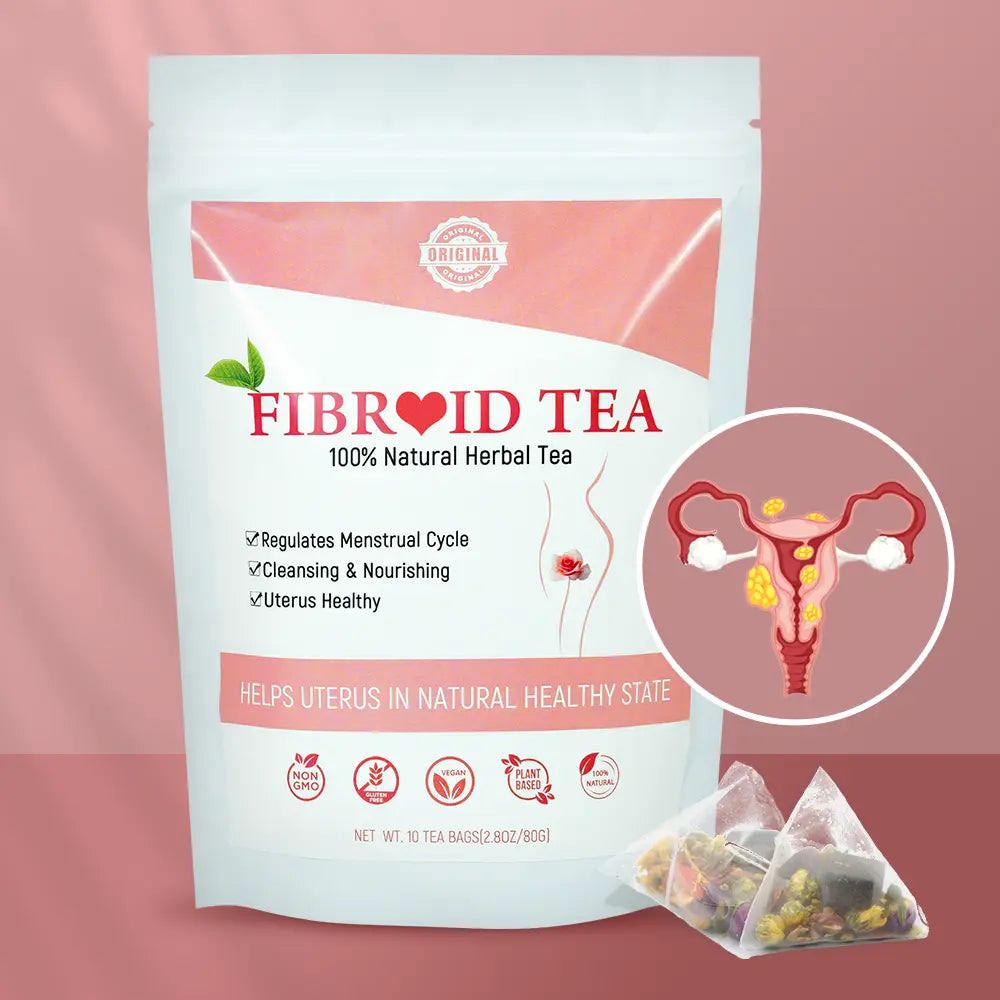
Uterine fibroids are common benign tumors of the female reproductive system. While the exact cause remains unclear, their growth is often linked to hormones (estrogen), diet, obesity, and genetics. They are most frequently found in women of childbearing age (30–50 years old) and are rare in those under 20. Since fibroids are benign and often asymptomatic, those without symptoms typically do not require aggressive treatment, but lifestyle management is key.
2. What tea is good for fibroids?

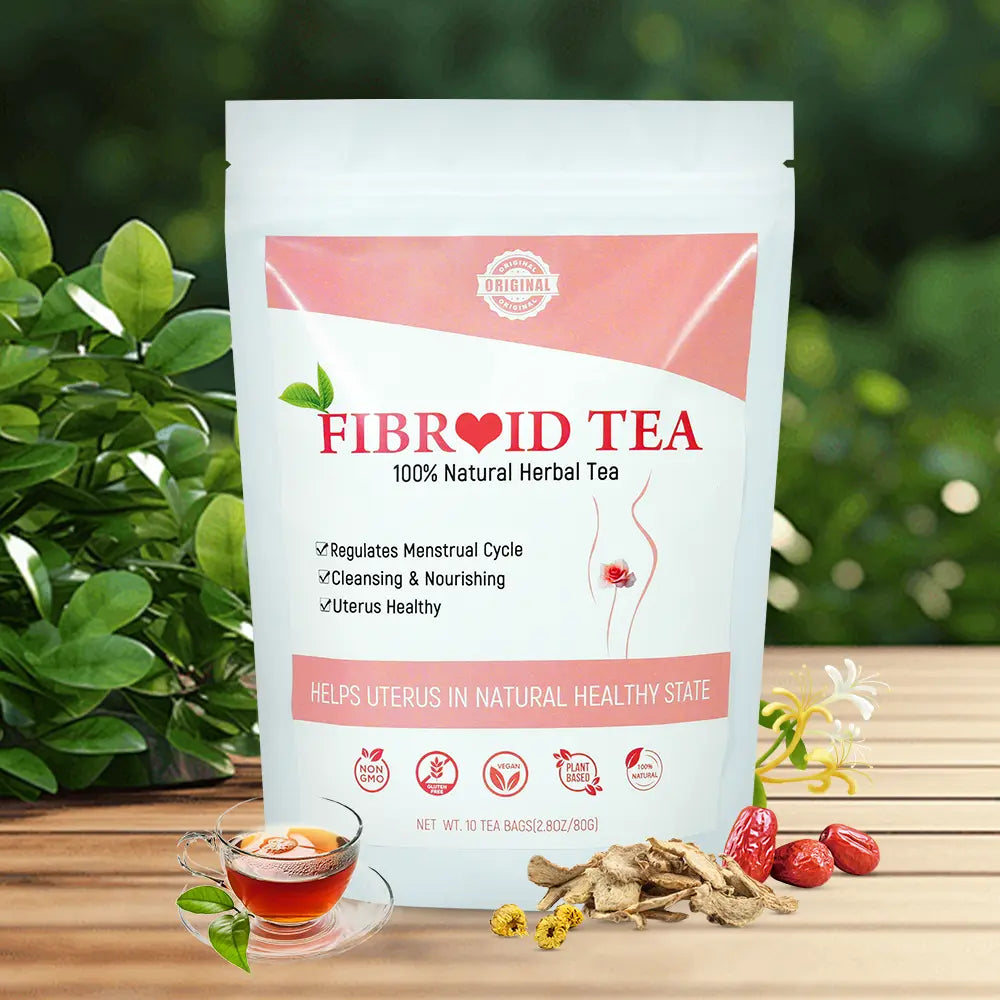
When selecting a tea, patients should focus on blends that promote circulation and reduce stagnation without introducing excess estrogen. Here are five gentle options:
Rose Flower Tea
Known for soothing the liver and relieving depression, Rose tea also helps invigorate blood circulation. It may alleviate menstrual discomfort caused by fibroids. Importantly, it is estrogen-free, making it a safe choice in moderation.
Jasmine Tea
With its warm nature, Jasmine tea helps regulate Qi and relieve stagnation, potentially improving the mood swings often experienced by patients. It contains no hormones, though those with a "heat" constitution should drink it less frequently.
Chrysanthemum Tea
Excellent for clearing heat and detoxifying, this is suitable for patients experiencing symptoms of "internal heat." Its flavonoid content may help regulate hormonal balance, though moderation is advised.
Hawthorn Tea
Hawthorn promotes digestion and blood circulation, benefiting gastrointestinal function and microcirculation. Its organic acids may help regulate blood lipids. Use with caution if you have acid reflux.
Tangerine Peel (Chenpi) Tea
Known for regulating Qi and strengthening the spleen, Chenpi can improve common symptoms like abdominal bloating. Due to its drying nature, those with Yin deficiency should avoid long-term excessive use.
3. Does ginger shrink fibroids?
This is a common question when looking for a tea to shrink fibroids. The honest answer is: there is no scientific evidence proving that ginger can shrink or eliminate uterine fibroids.
However, ginger contains powerful active compounds like gingerol and shogaol. These components possess significant anti-inflammatory and antioxidant properties, which help reduce oxidative stress and systemic inflammation in the body. While current research focuses more on ginger's benefits for gastrointestinal health and immunity, its ability to support overall wellness makes it a beneficial addition to your diet, even if it is not a cure for fibroids.

4. Is spearmint tea for fibroids beneficial?

Patients can consume spearmint in moderation, but intake should be controlled.
- Component Analysis: Mint contains menthol and flavonoids, offering cooling and anti-inflammatory effects. While there is no direct evidence that mint stimulates fibroid growth, certain phytoestrogens (like luteolin) found in mint have shown weak effects on hormone receptors in animal studies.
- Estrogen Sensitivity: Since uterine fibroids are estrogen-dependent, patients must minimize substances that might interfere with hormone levels. The phytoestrogen content in spearmint is relatively low; small amounts in a normal diet (like tea or seasoning) are generally safe, but long-term consumption of high-concentration extracts should be avoided.
5. Summary
While no single tea acts as a miracle cure, incorporating gentle options like Rose, Jasmine, or Hawthorn tea can support symptom management and overall well-being. Be mindful of ingredients like ginger and spearmint—use them for their anti-inflammatory benefits but understand their limitations regarding tumor reduction. Always prioritize a balanced diet and consult your healthcare provider before starting any new herbal regimen.
Disclaimer: This article is for informational purposes only and does not constitute medical advice.
6. References
- American College of Obstetricians and Gynecologists (ACOG). (2018). *Practice Bulletin No. 96: Uterine Leiomyomas (Fibroids)*. Obstetrics & Gynecology.
- Bensky, D., Clavey, S., & Stoger, E. (2015). *Chinese Herbal Medicine Materia Medica* (3rd ed.). Seattle: Eastland Press. (Covers Rose, Hawthorn, and Qi/Blood Stagnation concepts).
- Grzanna, R., Lindmark, J., & Frondoza, C. G. (2005). *Ginger—An herbal medicinal product with anti-inflammatory properties*. Journal of Medicinal Food, 8(2), 125-132.
- Grant, P. (2010). *Spearmint herbal tea has significant anti-androgen effects in polycystic ovarian syndrome*. Phytotherapy Research, 24(7), 1075-1080. (Relevant to the discussion of phytoestrogens and hormonal effects).