Before Stomach Cancer Arrives, It Usually Passes Through This Stage! Do Not Ignore It
HiherbsOfficial
Guide Directory
Whenever we talk about cancer, we always feel fear and anxiety. If we could detect it earlier, perhaps we could slow down its approach.
Precancerous lesions are the warning bells rung by the body. If we can correctly recognize and treat them at this stage, we might leave no place for cancer cells to hide. Today, we will use stomach cancer as an example to discuss this.
In 1971, the World Health Organization first proposed the concept of precancerous lesions. The transition from normal gastric mucosa to stomach cancer generally goes through several stages.

Several pathological states have been identified as having a higher potential risk of cancerous transformation compared to normal tissue, including atrophy, intestinal metaplasia, and atypical hyperplasia.
What does the term "precancerous lesion" mean? Does it mean it is already cancer? Can it be cured? How long until cancer arrives?
1. What Happens to the Stomach Before Stomach Cancer?
The normal gastric mucosa is composed of epithelial cells and glands. The surface epithelial cells secrete mucus to form a protective barrier, while the glands below secrete digestive enzymes and stomach acid.

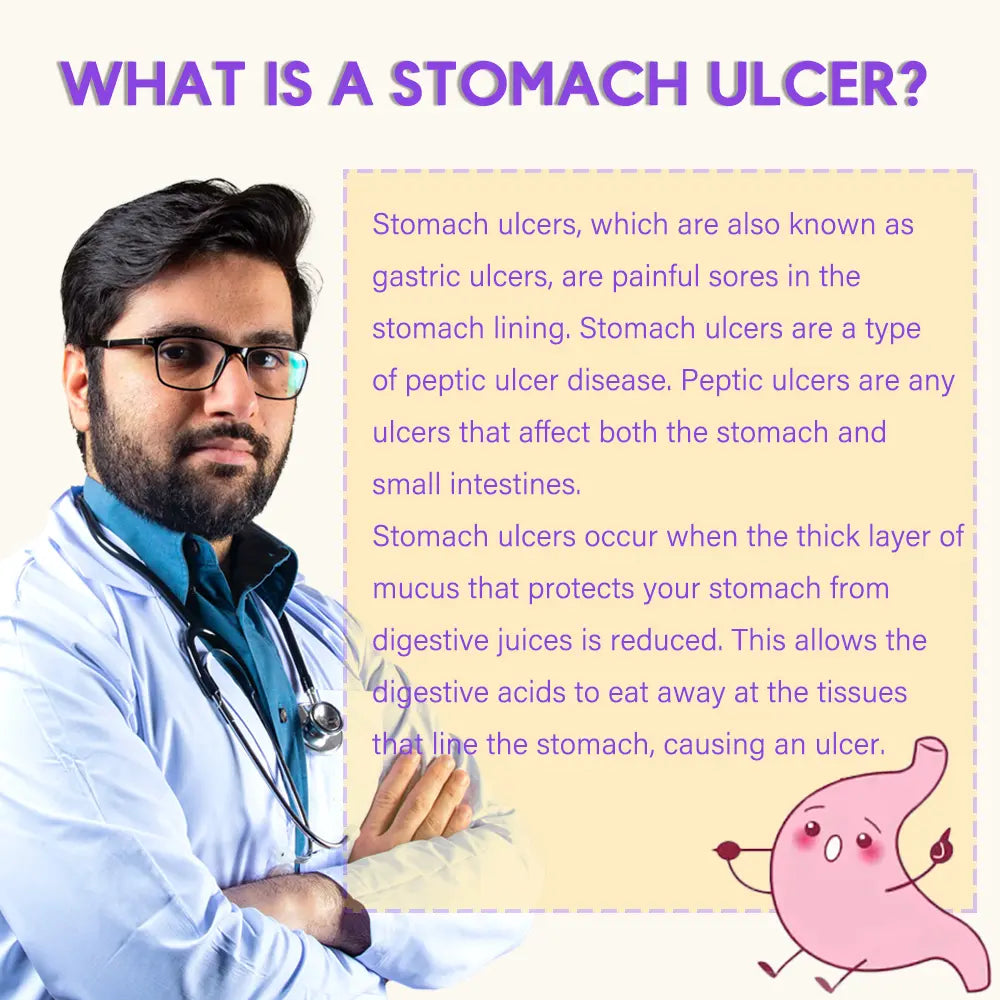
When this "flower bed" of gastric mucosa suffers from long-term infestation by "pests" such as Helicobacter pylori, and local inflammation fails to heal for a long time, the mucus layer thins and glands decrease or disappear. This is known as atrophic lesions.

While the gastric mucosa is severely damaged and its defenses are weak, a group of "weeds" starts to move—these are intestinal epithelial cells that normally grow in the intestines but covet the "superior" environment in the stomach. They seize the opportunity to occupy the space, replacing the original gastric glands with intestinal glands. This is intestinal metaplasia.

The intestinal glands then multiply at an uncontrolled rate. The limited space in the flower bed becomes increasingly crowded, and the weeds grow crookedly or even develop deformities. This is what people commonly call atypical hyperplasia, or intraepithelial neoplasia.

If atypical hyperplasia develops further and gene mutations occur within the cells, leading to characteristics such as unlimited growth, invasiveness, and metastasis, it truly develops into cancer.
2. How to Detect Precancerous Lesions and Cancer Early?
Early stomach cancer is highly deceptive. The vast majority of early cases have no obvious symptoms or only minor discomforts, such as abdominal unease, acid reflux, or loss of appetite.
Do not ignore these because the symptoms are mild. Even if you have no symptoms, a stomach cancer screening is recommended if you meet the following criteria:
- - Age ≥ 40 years old
- - Living in high-incidence areas for stomach cancer
- - Helicobacter pylori infection
- - History of chronic atrophic gastritis, gastric ulcers, polyps, or postoperative residual stomach
- - First-degree relatives of stomach cancer patients
3. How to Prevent Stomach Cancer?
The development of stomach cancer is a long process. Before it reaches the stage of atypical hyperplasia, it is considered potentially reversible!
In daily life, you should regulate your diet. Avoid overeating and practice thorough chewing. At the same time, drinking herbal tea can help nourish, treat, and protect the stomach. Only by taking precautions early can you reduce the risk of stomach cancer.
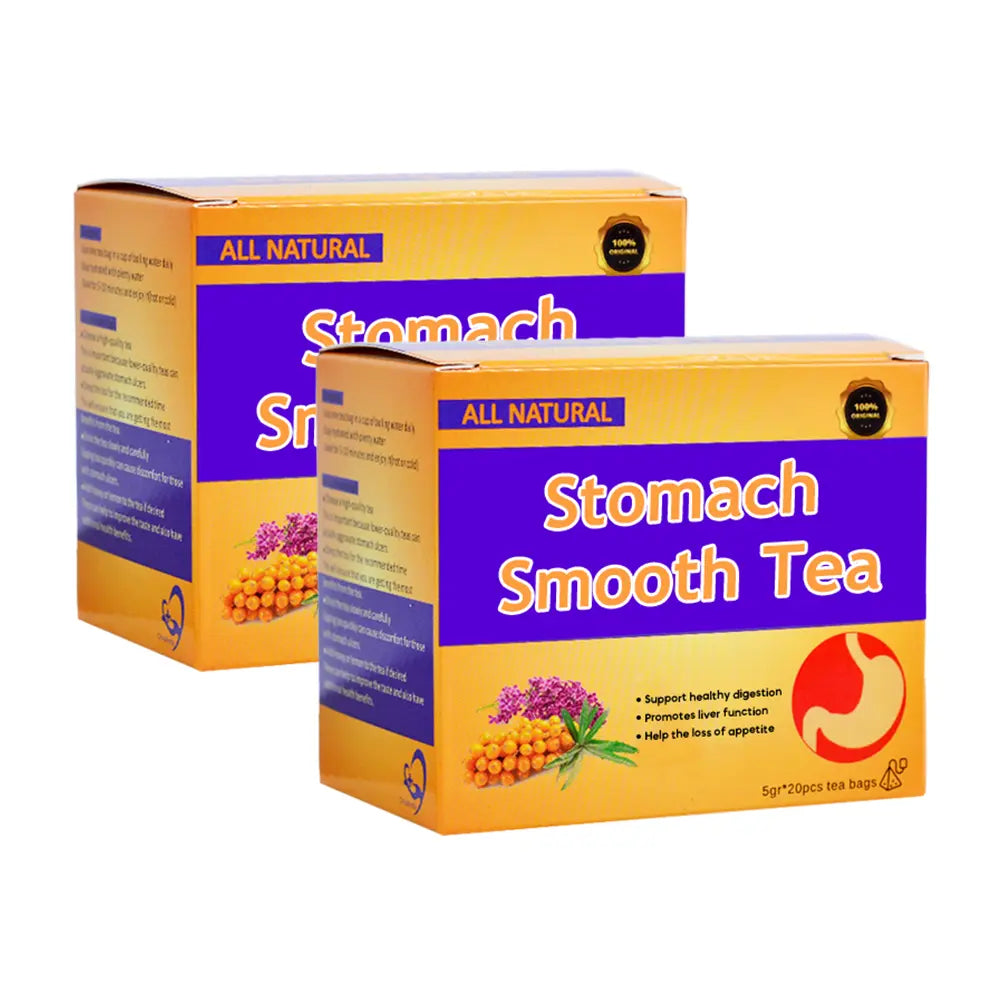
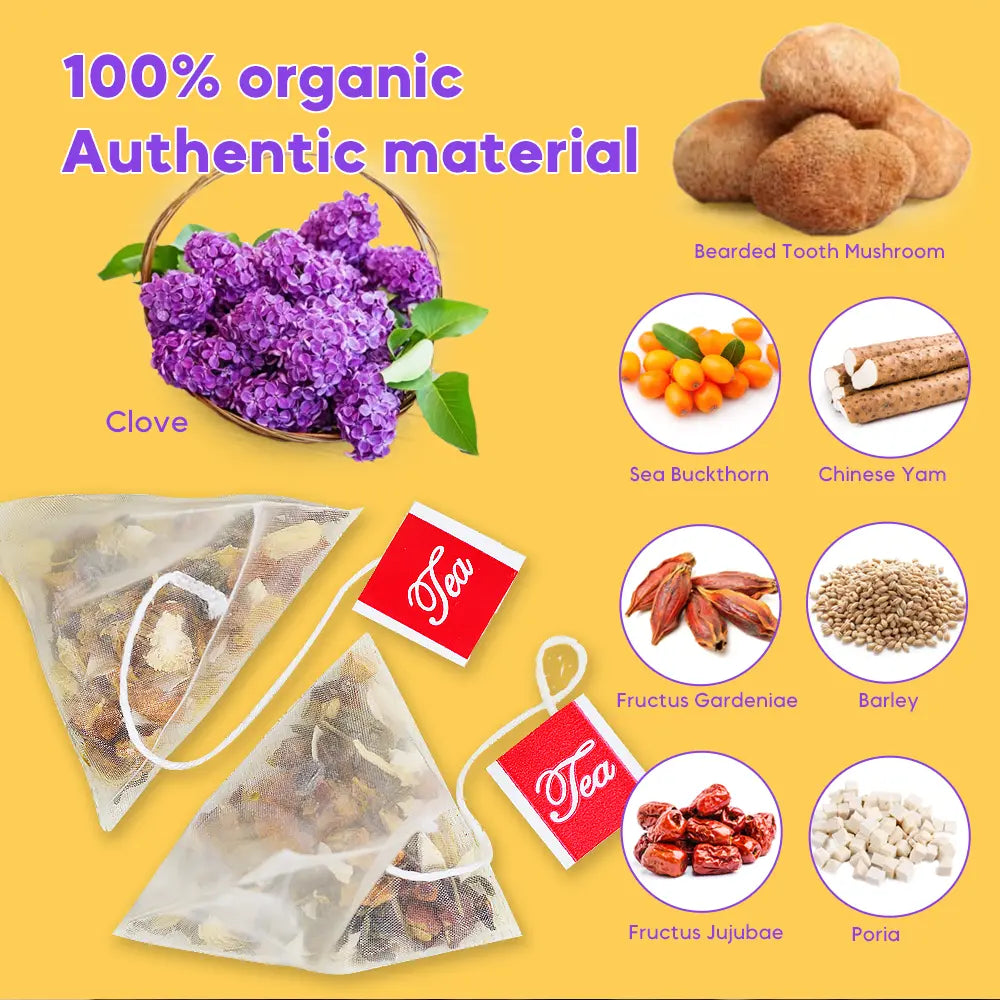
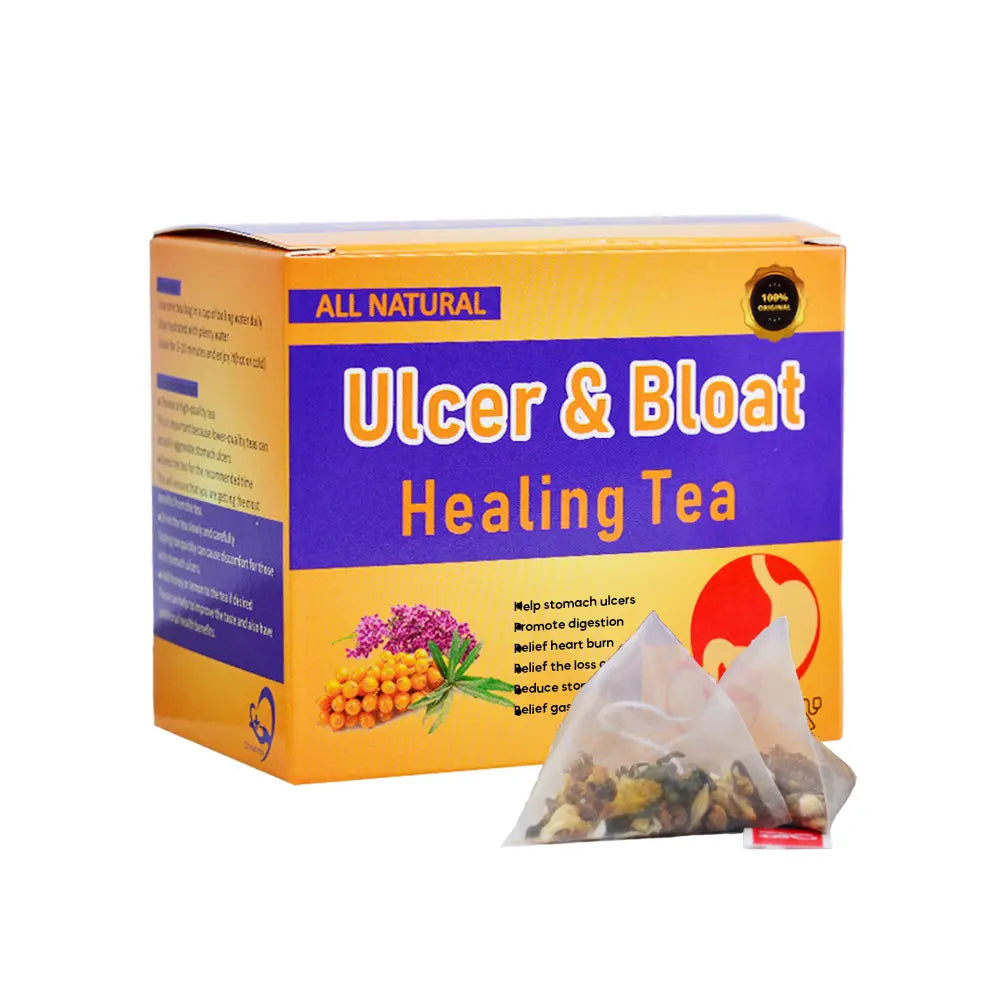
I recommend Hiherbs Ulcer Healing Tea. This tea is formulated with Fructus Jujubae, Orange Peel, Barley, Clove, Chinese Yam, Fructus Gardeniae, Bearded Tooth Mushroom, Sea Buckthorn, Fructus Citri Sarcodactylis, and Poria.
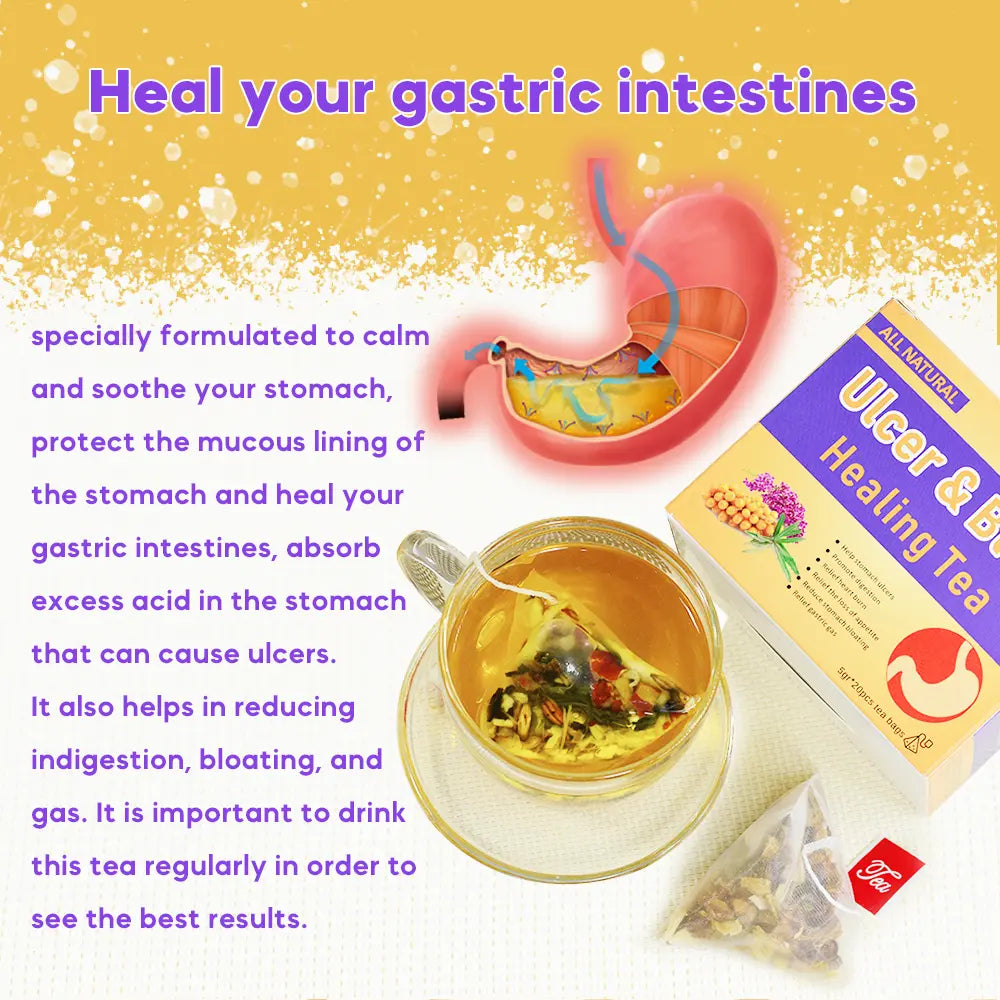
Benefits include: Helping stomach ulcers, promoting digestion, relieving heartburn, relieving loss of appetite, reducing bloating, and relieving gastric gas.

Exclusive Benefit
Use the discount code: LX-J8R3UT
Get $2 OFF at checkout. Go try it now!