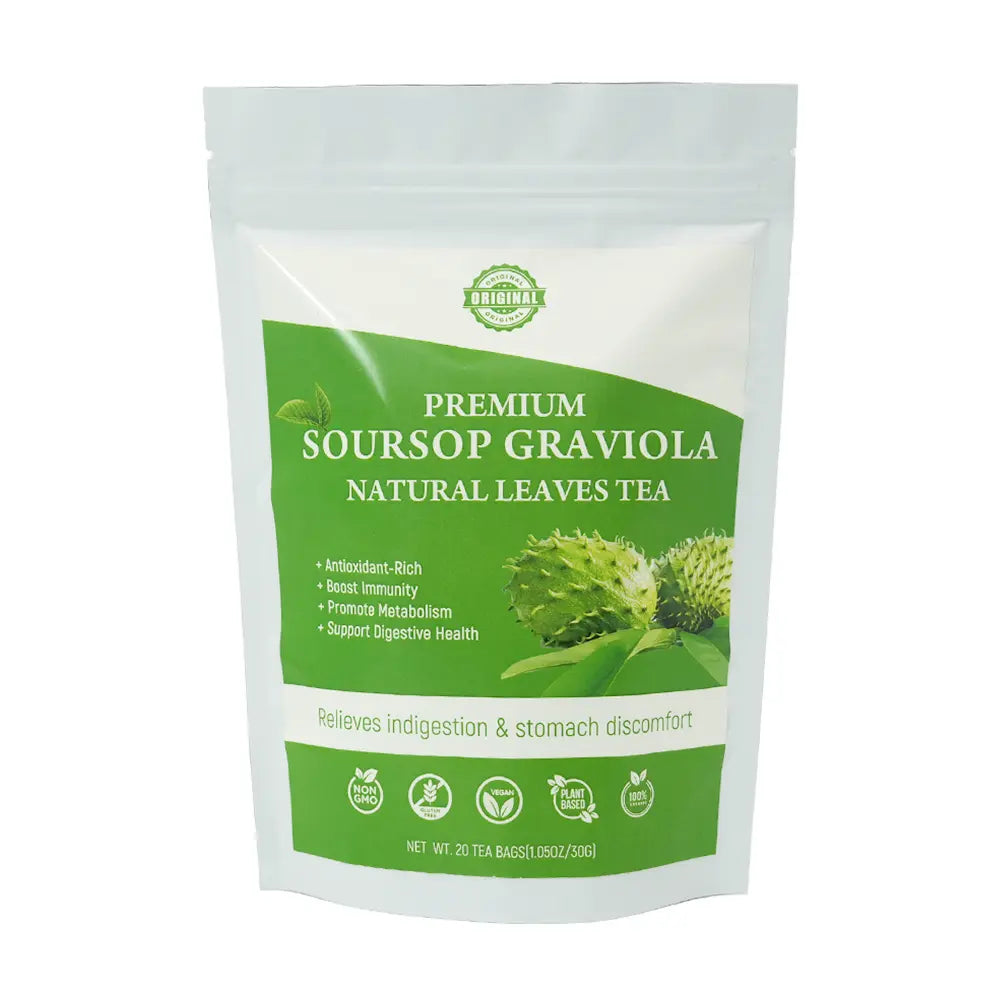
Is It Safe to Drink Soursop Tea Every Day? Dosage, Best Time, Frequency, and Long‑Term Safety
HiherbsOfficial
For generations, soursop tea has served as a staple in tropical medicine for everything from sleep support to inflammation. However, the common assumption that natural ingredients are harmless in unlimited quantities is facing scrutiny from the scientific community. As this remedy transitions from a cultural tradition to a global superfood, understanding the line between healing and harm is essential.
While therapeutic use offers distinct benefits, the answer to "can I drink soursop tea everyday?" is generally a cautious "no" for the long term. Research indicates that Annona muricata carries potential neurotoxicity risks due to annonacin, a compound that can strain nerve cells when consumed chronically. Treating this tea as a potent medicine rather than a daily beverage is key to avoiding cumulative side effects while enjoying its benefits.

The Antioxidant Powerhouse: Why Soursop Leaf Tea is a Wellness Staple
Most wellness enthusiasts reach for this herbal infusion not for its flavor, but for its reputation as a potent immune defender. While you likely understand how general antioxidants protect the body, soursop leaves contain a unique family of compounds called Annonaceous acetogenins. Think of these as a specialized security team for your cells; they actively target harmful agents and reduce swelling more aggressively than vitamins alone. This distinct chemical profile is why many people specifically choose graviola tea vs green tea for immunity support during cold and flu season.
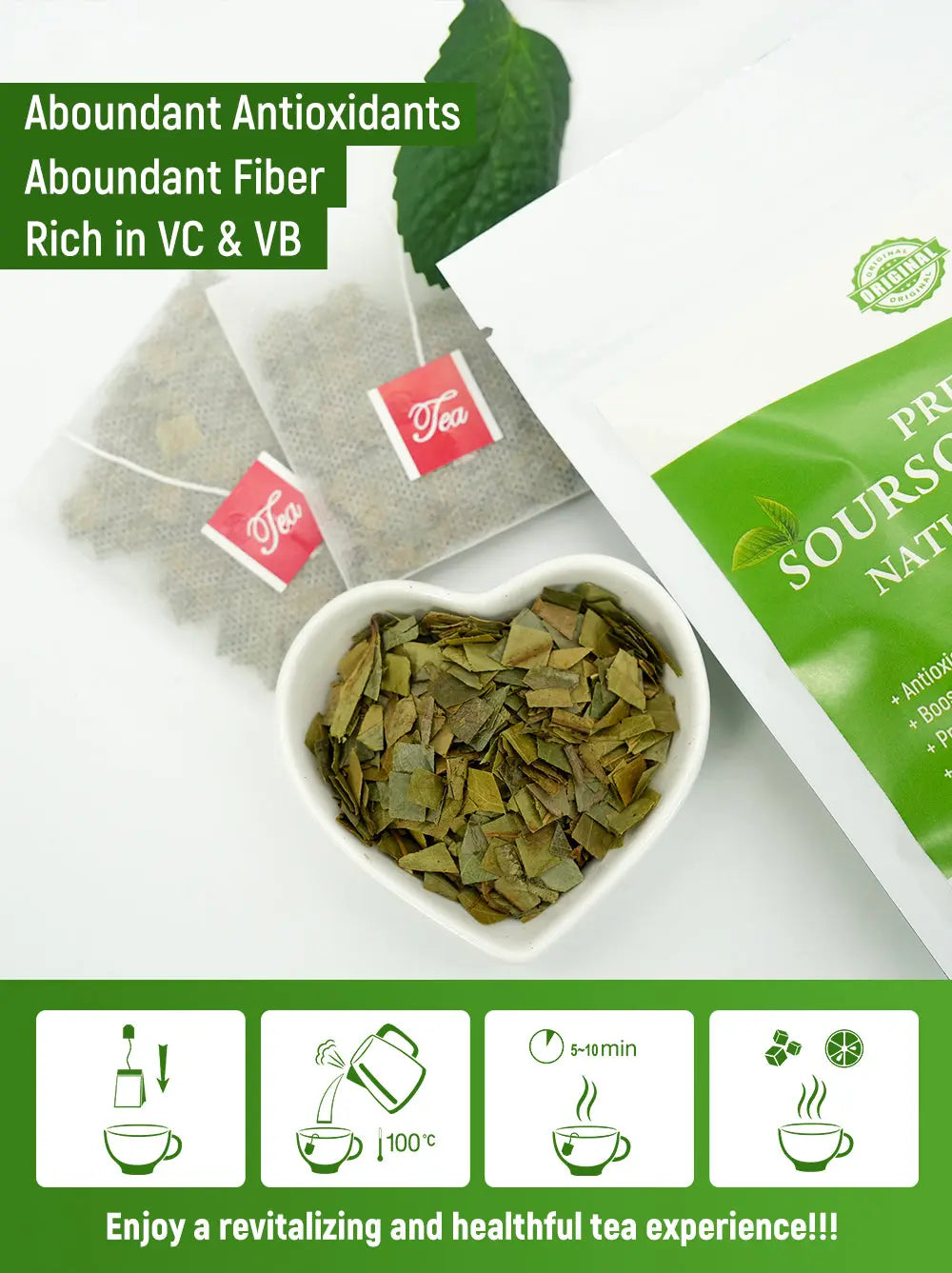
Brewing soursop leaves correctly is critical to unlocking these properties. To maximize the anti-inflammatory benefits of soursop tea, experts recommend steeping the leaves for at least 15 minutes to fully release the active nutrients. When prepared correctly, the tea offers several potential therapeutic actions:
- Robust support for the immune system
- Reduction of oxidative stress
- Natural pain-relieving properties
Unfortunately, this potency comes with a catch. The same biological mechanism that makes the tea so effective against bad cells can inadvertently harm your nervous system through a specific compound discussed next.
The 'Annonacin' Factor: Why Drinking This Tea Every Day Risks Your Nerve Health
While the leaves are celebrated for fighting bad cells, they lack the ability to completely distinguish between a harmful invader and your healthy neurons. This lack of precision is due to natural alkaloids in soursop leaves, specifically a compound known as Annonacin. In small, infrequent amounts, the body can generally process this substance, but safety concerns arise because it is a potent inhibitor of cellular energy.

To visualize the specific risk to your brain, picture your nerve cells as complex machines powered by tiny batteries. Annonacin neurotoxicity occurs because this compound interrupts the fuel supply to those batteries, effectively draining the energy your brain cells need to function. Over time, this cellular "energy crisis" can cause the nerves to malfunction or die, particularly in the regions of the brain that control movement and balance.
Research suggests that significant danger lies in cumulative exposure rather than a single cup. Consuming high concentrations of the tea daily allows the toxin to build up, potentially leading to long term soursop tea side effects that mimic atypical Parkinson’s disease, such as tremors or muscle stiffness. Because the line between a therapeutic dose and a toxic one is surprisingly thin, establishing a safe schedule is vital to enjoying the benefits without compromising your neurological health.
Finding the Safe Zone: Daily Graviola Leaf Tea Dosage and Frequency Guidelines
Because the potential for neurotoxicity is tied to cumulative exposure, treating this beverage as a medicinal supplement rather than a casual daily refreshment is essential. When determining how much soursop tea should i drink a day, the consensus among herbal safety experts is to limit consumption to a maximum of one 8-ounce cup per serving. This ceiling prevents the rapid buildup of compounds that tax the nervous system, allowing you to access antioxidant benefits while keeping toxic risks low.
To maintain a daily graviola leaf tea dosage that stays within the "safe zone," consider adopting a cycling schedule:
- Weekly Frequency: Limit intake to 2 or 3 times per week, rather than every day.
- Cycling Strategy: Follow a "two weeks on, two weeks off" pattern to allow your system to flush out alkaloids.
- Observation: Monitor your energy levels and digestion during "off" weeks to track how your body responds.
Adhering to this recommended frequency for drinking soursop tea creates a necessary buffer for your health. Much like rotating workouts allows muscles to recover, "cycling" your herbal intake gives your liver and metabolism ample time to process and eliminate remaining compounds before reintroduction. This strategy maintains effectiveness without overwhelming your biological "battery." Once you have established a safe schedule, the next step is maximizing the benefits by choosing the right moment in your day to brew your cup.
The Best Time to Drink Soursop Tea for Sleep, Digestion, and Blood Pressure Safety
Since this herbal remedy acts as a natural nervous system depressant, the best time to drink soursop tea is generally 30 to 60 minutes before bed. Many users find that using soursop tea for sleep and anxiety helps quiet a racing mind, functioning similarly to a mild sedative. Does soursop tea make you sleepy? Yes—its alkaloids encourage relaxation, making it a poor choice for a morning kick-starter but an excellent option for winding down.
While relaxation is a benefit, it requires careful coordination with your existing prescriptions. Soursop naturally dilates blood vessels, which can cause a drop in pressure. This creates a risk for soursop tea interaction with blood pressure medication; if you combine the tea with pharmaceutical antihypertensives, your numbers may fall dangerously low (hypotension), leading to dizziness or fainting. The same caution applies to diabetes medication, as the tea can unpredictably amplify blood sugar reduction.
Listen to your body’s signals to ensure you aren't crossing the line from therapeutic to toxic. The symptoms of soursop tea overconsumption often mimic movement disorders or digestive distress. Watch for these red flags:
- Stiff muscles or difficulty walking
- Unexplained nausea or vomiting
- Tremors or shaking hands
Recognizing these signs early is crucial, but for some individuals, avoiding the tea entirely is the only safe option.
Who Should Skip the Brew? Pregnancy, Medications, and Kidney Health Precautions
While the tea offers benefits for many, certain life stages require strict avoidance. Can pregnant women drink soursop tea? Medical experts generally advise against it because the leaves may stimulate uterine contractions. Similarly, nursing mothers should abstain to prevent passing active compounds to infants. However, regarding soursop tea during menstruation, the outlook is different; its anti-inflammatory properties may actually help soothe cramps if consumed in moderation.
Beyond reproductive health, pre-existing conditions dictate safety. Since your body must filter the tea's alkaloids, those asking "is graviola safe for kidneys" should proceed with extreme caution to avoid straining filtration systems. Consult a doctor and skip the brew if you fall into these high-risk categories:
- Neurodegenerative Disorders: Anyone with Parkinson’s or ALS history.
- Chronic Kidney Disease: Those with reduced filtration rates.
- Hypotension: Individuals with naturally low blood pressure.
Your 3-Step Action Plan for Safely Integrating Soursop Tea Into Your Routine
You now have the insight to treat soursop tea as a strategic wellness tool rather than a daily thirst quencher. Aim for the "gold standard" of two to three cups weekly to enjoy the therapeutic properties of annonaceous acetogenins without overwhelming your nervous system. Many users find the best time of day to drink graviola tea is mid-afternoon for a gentle boost, but the priority is always listening to your body’s signals.
Success means gaining antioxidant benefits without risking side effects like tremors or digestive upset. Treat this remedy with the same respect as medication; if you feel off, stop immediately. A quick consultation with your doctor ensures your natural health routine remains both safe and effective.
→ Related reading: 15 Science-Backed Health Advantages of Soursop Tea Leaves. Click to view