Herbal Tea for Men: A Two-Week Caffeine Taper Plan | Hiherbs
HiherbsOfficial
Coffee can be part of a good morning. It can also quietly become the answer to every tired moment: the first meeting, the midday dip, the pre-workout routine, or the late drive home. When the cup stops feeling like a choice, cutting back can feel less like a wellness goal and more like losing your operating system.
A two-week taper offers a less dramatic route. You reduce caffeine in stages, keep the familiar parts of the ritual, and prepare a replacement drink for the moments that usually trigger another coffee. A caffeine-free herbal tea for men, such as Hiherbs 7 Days Bliss Tea, can fill that practical role. It does not treat caffeine withdrawal, detox the body, or recreate the stimulant effect of coffee. It gives the habit somewhere else to go.
The supplied product information describes 7 Days Bliss Tea as a caffeine-free herbal blend containing schisandra berries, astragalus root, codonopsis root, jujube seed, raspberry fruit, and stevia leaf. It also describes 8 g tea sachets and a ten-sachet box. Confirm the current label and product page before publication, because package specifications and ingredient details should always match live product documentation.
In this guide
Quick answer →
Estimate daily caffeine →
Days 1–4 →
Days 5–9 →
Days 10–14 →
How the tea fits →
When symptoms need advice →
Conclusion →
FAQ →
Quick Answer: A Gradual Taper May Be Easier for High Caffeine Intake
If you drink several caffeinated beverages each day, stopping suddenly can bring on headache, fatigue, drowsiness, irritability, low mood, and trouble concentrating. A PubMed-indexed review of caffeine withdrawal reported symptom onset around 12 to 24 hours after abstinence, peak intensity around 20 to 51 hours, and duration of about 2 to 9 days. Individual experiences vary with dose, timing, sensitivity, and health context.
A two-week plan does not eliminate withdrawal. It may make the change more manageable by lowering intake in smaller steps. Record your usual caffeine sources, replace one serving with a caffeine-free drink, and keep the remaining caffeine consistent for a few days before reducing it again. If symptoms become difficult, hold the current step longer rather than forcing a perfect calendar.
Hiherbs 7 Days Bliss Tea can serve as the replacement beverage. Its role is sensory and behavioral: a warm cup, a familiar pause, and a practical alternative to another coffee or energy drink. It is not a medicine for withdrawal. The FDA advises people who want to cut back on caffeine to do so gradually, noting that withdrawal is usually unpleasant rather than dangerous.
Estimate Your Current Daily Caffeine
Before changing your routine, record three ordinary days. Include coffee, espresso, tea, cola, energy drinks, pre-workout powders, caffeinated gum, chocolate, and medicines that contain caffeine. A pre-workout scoop and an afternoon energy drink can turn a “normal” coffee habit into a much larger daily total.
Caffeine varies sharply by serving size and preparation. MedlinePlus lists broad ranges of 95 to 200 mg for an 8-ounce coffee, 35 to 45 mg for a 12-ounce cola, 70 to 100 mg for an 8-ounce energy drink, and 14 to 60 mg for an 8-ounce tea. Restaurant drinks can be harder to estimate because serving sizes, beans, brewing methods, and recipes differ. Record the drink size and use published nutrition information when available rather than creating false precision.

The FDA cites 400 mg per day as an amount not generally associated with negative effects for most adults, but that is not a personal target or a promise of safety. Sensitivity differs, and medications, sleep disorders, anxiety, heart conditions, pregnancy, and other health factors can change the appropriate limit.
Write down the three-day average and identify the easiest serving to replace. Since the supplied product information describes 7 Days Bliss Tea as caffeine-free, it does not add caffeine to that baseline. Check the current label for the exact ingredients and warnings before using it as a regular beverage.
Days 1–4: Replace One Serving and Track Symptoms
Do not rebuild the entire day on the first morning. Choose one serving that feels least valuable, often a second or third coffee consumed out of habit rather than enjoyment. Replace that serving with 7 Days Bliss Tea and keep the rest of your caffeine schedule unchanged for the first few days.
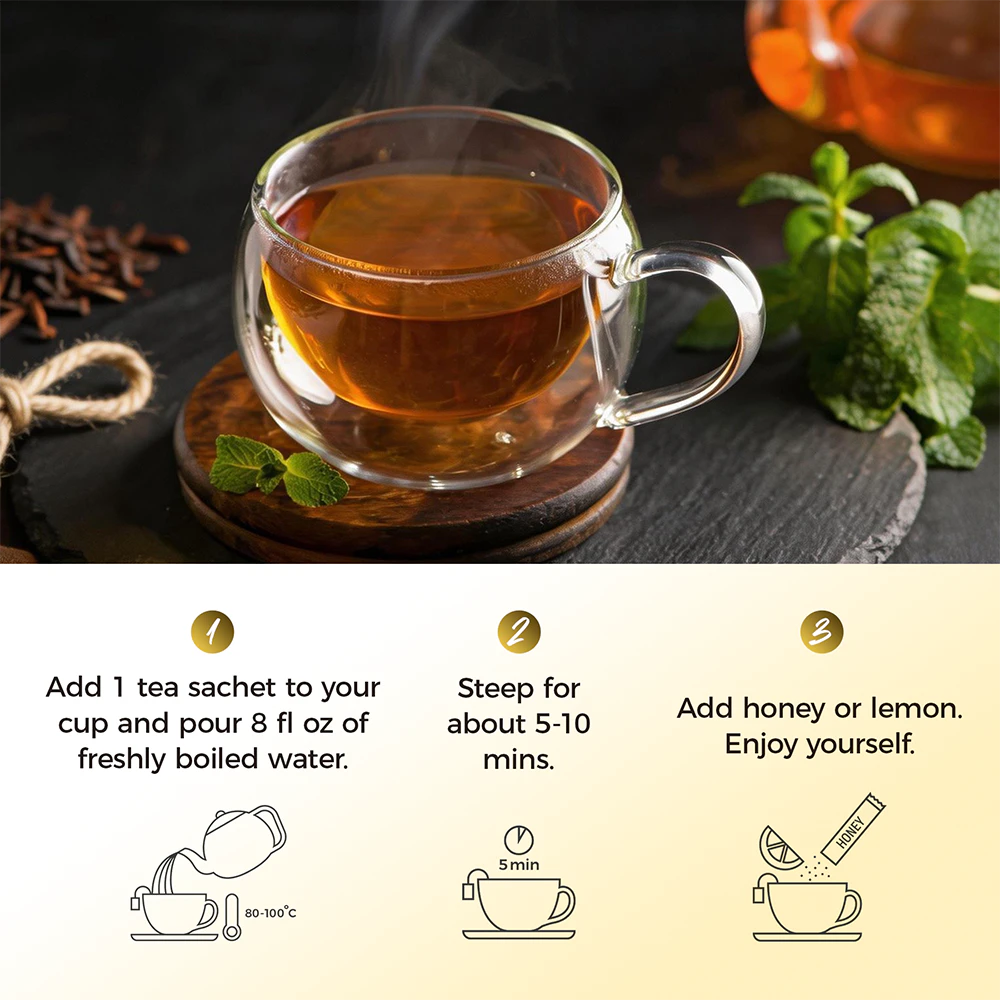
Use the current package directions. The supplied draft describes one 8 g sachet, approximately 240 ml of hot water, and a five- to ten-minute steep. Verify those instructions against the live product page before publishing or printing them. Honey or lemon may change the taste, but they do not make the tea caffeinated or turn it into a withdrawal treatment.
Track headache, fatigue, drowsiness, irritability, mood, concentration, sleep, and the time of each caffeinated serving. The MedlinePlus caffeine overview lists headache, drowsiness, irritability, nausea, and trouble concentrating among possible withdrawal symptoms.
Hydration, regular meals, and sleep cannot guarantee a symptom-free taper, but they remove a few avoidable complications. If the first step feels rough, repeat it for more days. The goal is a lower intake that you can maintain, not a short crash followed by a return to the old routine.
Days 5–9: Reduce Portion or Timing
Once the first replacement feels ordinary, make one more change. You can reduce the size of one remaining coffee, dilute it according to your normal preference, switch one serving to a lower-caffeine option, or remove the latest serving of the day. Choose one variable at a time so you can tell what your body is reacting to.
For someone who normally drinks coffee at 8 a.m., 10 a.m., and 1 p.m., the second week might keep the morning cup while replacing later cups with herbal tea. Another person may keep two small coffees and remove the afternoon energy drink. There is no scientifically required “man-sized” taper. The useful plan is the one that matches actual intake.

A caffeine-free tea can preserve the pause that used to accompany coffee. Brew it at the old coffee time, carry a sachet to work, or keep the box near the kettle. This is a friction-reduction strategy: the replacement is available when the old cue appears.
The blend’s schisandra berry, astragalus root, codonopsis root, jujube seed, raspberry fruit, and stevia leaf contribute to the product’s flavor and formulation. They should not be described as a substitute stimulant, focus enhancer, cortisol remedy, or energy-crash cure without product-specific evidence. The honest selling point is simpler: a caffeine-free warm drink can make a lower-caffeine routine feel less empty.
If you develop troublesome symptoms, pause at the current level. The National Center for Complementary and Integrative Health cautions that herbal and dietary supplements may interact with medicines or pose risks in certain medical situations.
Days 10–14: Build a Stable Caffeine-Free Ritual
By the second week, decide what you actually want after the taper. You may want to remain caffeine-free, keep one morning coffee and remove afternoon caffeine, or reserve caffeine for selected training sessions. The tea routine should support that decision, not make the decision for you.
Choose one or two repeatable times for 7 Days Bliss Tea. Morning planning and the early-afternoon slump are obvious candidates because they already have a strong beverage cue. The aim is not to promise steady energy. It is to give your hands and attention a non-caffeinated pause while intake stays lower.
The sachet format may be convenient for a desk drawer, gym bag, or travel kit. The supplied product information describes ten individually portioned sachets, but confirm that quantity and serving size on the current product page. More plant material in a sachet does not automatically mean a stronger physiological effect; weight is a product specification, not a clinical outcome.
You may notice a calmer afternoon when a late caffeine dose is no longer disturbing your sleep, or you may simply notice that the new routine is easier to repeat. Do not promise either result to every reader. Sleep, mood, energy, and caffeine response are individual, and a two-week plan cannot diagnose persistent fatigue.
How 7 Days Bliss Tea Fits Without Treating Withdrawal
Hiherbs 7 Days Bliss Tea should be described as a caffeine-free herbal beverage for a replacement routine. It is not a withdrawal aid, detox product, stimulant-free energy booster, or medical treatment. The absence of caffeine means it will not reproduce the alerting effect of coffee, green tea, an energy drink, or a pre-workout product. That is the point of the replacement.
The supplied blend includes schisandra berries, astragalus root, codonopsis root, jujube seed, raspberry fruit, and stevia leaf. Traditional use or an ingredient’s presence in a blend does not prove that the finished tea improves focus, corrects fatigue, or changes the biology of caffeine withdrawal. Keep claims at the level the product can support: taste, warmth, convenience, and a caffeine-free ritual.
If you have a strong headache, palpitations, dizziness, confusion, repeated vomiting, fainting, chest pain, or symptoms that feel unusual for your normal caffeine reduction, do not keep drinking tea and assume the reaction will pass. Seek appropriate medical advice. The FDA notes that too much caffeine can be associated with increased heart rate, palpitations, high blood pressure, anxiety, insomnia, nausea, and headache.
For product questions, use the current official Hiherbs customer-service channel. Do not publish an email address unless it has been confirmed on the live website and is intended for customer support. Product documentation should identify the available quality records accurately. A certificate of analysis can support batch-level identity or specifications; it does not prove that the product treats withdrawal.
When Headache, Fatigue, or Other Symptoms Need Advice
Mild headache, tiredness, drowsiness, irritability, low mood, and difficulty concentrating can occur after a substantial caffeine reduction. The Juliano and Griffiths review found typical onset at 12 to 24 hours, peak intensity at 20 to 51 hours, and duration of 2 to 9 days, although individual experiences vary.
Seek medical advice for a severe or worsening headache, confusion, fainting, chest pain, shortness of breath, repeated vomiting, a racing or irregular heartbeat, or symptoms that do not fit your usual pattern. If fatigue continues after the taper or interferes with work, exercise, mood, or driving, look beyond caffeine. Poor sleep, medication effects, mood conditions, anemia, thyroid problems, infection, and other causes may require assessment.
A gradual reduction can be adjusted. You might hold the current intake for a few extra days or reintroduce a smaller amount temporarily, but people with significant symptoms or relevant health conditions should ask a healthcare professional rather than following an internet schedule. Caffeine can also interact with some medicines and supplements, so review the full list with a pharmacist when needed.
A caffeine-free herbal tea can be consumed before a workout as a beverage if it agrees with you, but it will not provide the performance effect of caffeine. The American College of Sports Medicine’s caffeine and exercise Q&A discusses dose variability and side effects; it does not turn a caffeine-free tea into a pre-workout replacement.
Conclusion
A two-week caffeine taper works best when it is specific enough to follow and flexible enough to adjust. Record the real sources, replace one serving, reduce one variable at a time, and give the new routine a chance to become ordinary.
Hiherbs 7 Days Bliss Tea can occupy the practical space left by a coffee break. It is a caffeine-free herbal beverage with a supplied ingredient list that includes schisandra berry, astragalus root, codonopsis root, jujube seed, raspberry fruit, and stevia leaf. Its role is a warm, prepared alternative—not a stimulant, detox aid, withdrawal medicine, or treatment for fatigue.
Use “herbal tea for men” as an audience and search phrase, not as a promise of male-specific physiology. Realistic expectations are more useful: fewer caffeinated servings, a replacement ritual, and professional advice when symptoms are severe or persistent.
Frequently Asked Questions
1. I usually drink a large coffee from a cafe. How should I estimate how much caffeine I am cutting?
Start with the drink’s size, recipe, and nutrition information the café provides. A large drip coffee can vary widely, so do not treat a generic number as a measurement. Record the exact drink and size for three typical days, use the best available published estimate, and build your taper around the pattern. MedlinePlus lists 95 to 200 mg for an 8-ounce coffee, but a larger café serving may contain more.
2. Does green tea contain caffeine? Can I switch to green tea instead of 7 Days Bliss Tea?
Green tea contains caffeine, although the amount varies by leaf, serving size, and brewing time. Decaffeinated coffee and tea may still contain small amounts; the FDA notes that decaf coffee typically contains 2 to 15 mg per 8-fluid-ounce cup. If your goal is to avoid caffeine completely, a product labeled caffeine-free, such as the supplied description of 7 Days Bliss Tea, is a more straightforward choice. Check the current label.
3. Can I drink 7 Days Bliss Tea around workouts if I am used to pre-workout caffeine?
You may drink a caffeine-free herbal tea before exercise if you enjoy it and it fits your hydration routine. It will not deliver the alertness or performance effect associated with a caffeinated pre-workout. Count caffeine in your pre-workout toward the daily total and taper that serving separately. Do not use the tea to push through dizziness, chest pain, palpitations, unusual shortness of breath, or severe fatigue.

Author
Hiherbs Editorial Team
Prepared from the supplied product information and linked public references. The portrait is an illustrative editorial asset, not evidence of medical credentials. This article is educational content, not medical advice.
References
- U.S. Food and Drug Administration. Spilling the Beans: How Much Caffeine is Too Much?. Updated August 28, 2024.
- MedlinePlus, U.S. National Library of Medicine. Caffeine.
- Juliano, L. M., & Griffiths, R. R. (2004). A critical review of caffeine withdrawal. Psychopharmacology, 176(1), 1–29.
- Evans, S. M., & Griffiths, R. R. (1999). Caffeine withdrawal: a parametric analysis of caffeine dosing. Journal of Pharmacology and Experimental Therapeutics, 289(1), 285–294.
- National Center for Complementary and Integrative Health. Dietary and Herbal Supplements. Last updated February 2020.
- American College of Sports Medicine. GSSI Webinar Q&A: An Update on Caffeine and Exercise Performance. Published April 23, 2024.