Does Cycle Syncing Work? What the Research Actually Supports
HiherbsOfficial
Cycle syncing sells a tidy month: four phases, four meal plans, four workouts, better energy if you follow the chart. Real months are messier. Hormones do rise and fall, and many people feel that as tiredness, cravings, or a session that suddenly feels heavier. That part is not a myth.
What the papers do not show is that you must overhaul protein, cardio, and your calendar every week in order to be healthy. A useful version is smaller. Notice how you actually feel. Make small adjustments when those feelings show up. Skip the rules that treat a 28-day template as a medical schedule.
In this article
What research actually supports →
Where the trend outruns the evidence →
What to do instead of a strict plan →
What Is Cycle Syncing?
Cycle syncing means matching daily habits — usually food and exercise — to the phases of the menstrual cycle. Influencers often split the month into menstruation, the follicular phase, ovulation, and the luteal phase, then assign a diet and a workout to each one.
The underlying physiology is real. Estrogen and progesterone do not stay flat. What is oversold is the leap from “hormones change” to “you need a different lifestyle protocol every few days.” Reviews of exercise and diet across the cycle keep finding small, inconsistent effects, not a mandatory weekly reset.
Period
Estrogen and progesterone are low. Tiredness, cramps, heavier bleeding can show up. Iron-rich food if bleeding is heavy; rest if you feel wrecked. That is ordinary care, not a branded protocol.
Follicular
After bleeding, before ovulation, estrogen climbs. Energy may pick up. No special diet is required. Train in a way that feels sustainable.
Ovulation
Estrogen peaks; luteinizing hormone surges. Some people feel more alert. A small testosterone bump is debated. It is not a license for a new training block.
Luteal
After ovulation, progesterone rises. Cravings, poorer sleep, workouts that feel harder. Listen to recovery. Do not treat hard training as forbidden.
Those day ranges on social media are averages. Plenty of healthy cycles are shorter or longer than 28 days, and ovulation does not always land on day 14.
Hormone Changes Across the Month Are Real
A normal cycle is built around ovulation. After a period, follicles in the ovary grow and estrogen rises. Around mid-cycle, a surge of luteinizing hormone triggers ovulation. After that, progesterone rises to support the uterine lining. If pregnancy does not happen, both hormones fall and bleeding starts again. Reed and Carr’s Endotext chapter is the plain clinical map of that loop [1].
Feeling different in different weeks is common. Low hormones during a period can mean less energy. Higher estrogen later in the first half of the cycle can mean you feel more like moving. Higher progesterone after ovulation can mean you want more sleep, more food, or a lighter session. None of that requires a branded plan.
Hormonal contraception changes the picture. Combined pills and some other methods flatten or replace the natural hormone pattern. A four-phase chart copied from someone who ovulates on their own does not automatically apply if you are on the pill.
What Research Actually Supports

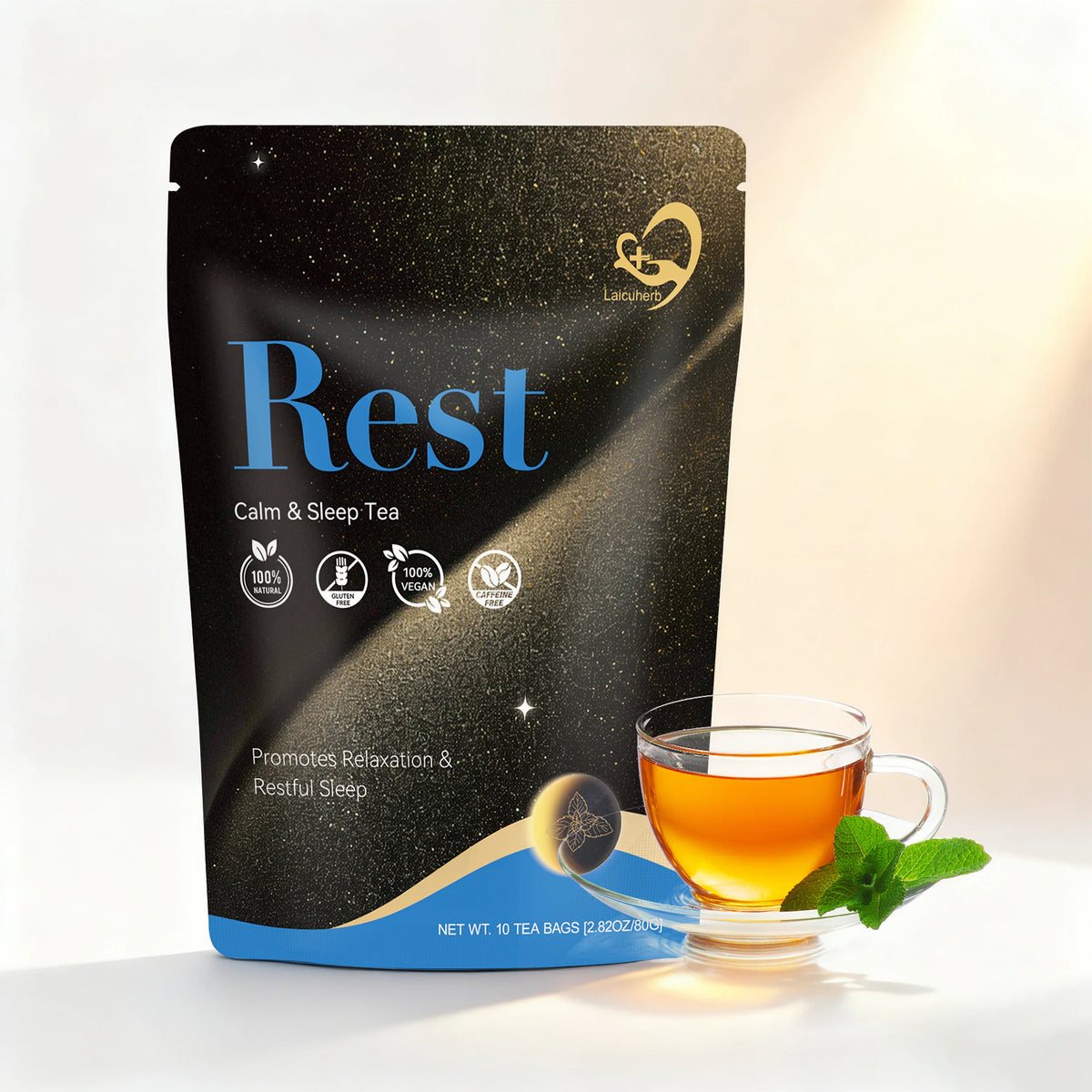
Raspberry leaves, ginger, and mint.
A few adjustments have a real basis. They are ordinary nutrition and recovery, not a secret cycle protocol.
What holds up
Heavy periods lose blood, and blood carries iron. If you bleed a lot, iron-rich meals and a conversation with a clinician about iron status are reasonable. That is true whether or not you “sync” anything else. Some studies find a small rise in resting calorie burn after ovulation. Other work, including in female athletes, finds resting metabolism fairly stable. Even when a bump shows up, it is usually modest [4]. It can help explain hunger before a period. It does not justify a new macronutrient split every week.
What it cannot claim
Magnesium is often sold as a luteal-phase must. A few small trials have looked at it for PMS discomfort. That is not proof that every person needs a luteal magnesium protocol, and it is not a reason to treat herbal tea as a substitute for care. A 2020 review in Sports Medicine pooled studies of women with regular cycles and found only a trivial change in performance across phases [2]. Later work on strength training found no good reason to periodize lifting around the cycle. Hard sessions can feel harder for some people in the late luteal phase. Feeling harder is not a clinical rule to skip them.
The most evidence-based move is still the least glamorous one: track your own energy, sleep, mood, and workouts for a couple of cycles, then adjust from that record instead of from a stranger’s day-by-day calendar. The Office on Women’s Health makes the same unglamorous point: keep a fitness journal for a few months and see when you have more or less energy [5].
Where Cycle Syncing Outruns the Evidence
The trend usually overreaches in the same places.
One 28-day chart as everyone’s biology. Hormone levels vary between people and from one cycle to the next. A review in the Journal of Applied Physiology found little evidence that women should plan diet or training around cycle phase as a universal method [3].
Carbs, fat, and protein by phase. There is not strong evidence that this fine-tuning beats a balanced diet you can actually follow.
No hard training after ovulation. No major sports-medicine guideline says that. If you feel wiped, scale the session. If you feel fine, there is no research-based penalty for training.
Products as if they completed the science. A warm drink can be a comfort ritual. It does not regulate hormones, treat PMS as a disease, or make a weak evidence base suddenly strong.
The cost of the oversell is not only wasted money. A rigid plan can turn a normal cycle into a grading system, where any off day looks like a personal failure to “sync.”
What To Do Instead of a Strict Plan
If your period is heavy, pay attention to iron and how wiped you feel. If the week before your period is foggy or sore, protect sleep and pick training you will actually do. If ovulation week feels easy, that is useful information about your own pattern, not a rule you owe the internet.
Cycle tracking apps and a notebook are enough tools. You do not need a different personality, grocery list, and workout identity for each week. You need enough data to stop fighting a body that is doing something predictable, even when the wellness version of that story is overbuilt.
Conclusion
Hormones change across the menstrual cycle. Energy, appetite, and how hard a workout feels can change with them. Research does not support turning that into a strict weekly lifestyle prescription. Watch your own month, make small changes when they help, and treat charts that promise a new body every phase as marketing, not as physiology.
FAQ
1. Does cycle syncing work?
The hormone shifts are real. The detailed diet and workout calendars sold online are mostly ahead of the evidence. Tracking how you feel, then adjusting, is the part that holds up.
2. Do I need a new grocery list every week of my cycle?
No. Iron matters if you bleed heavily, and some people eat a little more before a period. That is not the same as a phase-by-phase macro plan.
3. Should I skip hard workouts after ovulation?
Not as a blanket rule. Some people feel more tired then. Scale the session if you need to. Reviews have not shown a performance penalty that justifies banning hard training.
4. I am on the pill. Does a four-phase chart still apply?
Often not in the way social media describes it. Many hormonal methods change or flatten the natural estrogen and progesterone pattern, so a four-phase chart may not match what your body is doing.
5. Can herbal tea balance my hormones?
No. Tea can be a daily comfort. It is not a treatment, and it does not regulate hormones or replace medical care.
Track Your Month, Not a Stranger’s Chart
Hormone shifts are real. A weekly lifestyle prescription is not. Questions about labels can go to hiherbs0129@gmail.com.
This article is for information only. It is not a diagnosis, a training plan, or a reason to skip ordinary medical care.
References
- Reed, B. G., & Carr, B. R. The Normal Menstrual Cycle and the Control of Ovulation. Endotext. https://www.ncbi.nlm.nih.gov/books/NBK279054/
- McNulty, K. L., Elliott-Sale, K. J., Dolan, E., Swinton, P. A., Ansdell, P., Goodall, S., Thomas, K., & Hicks, K. M. (2020). The effects of menstrual cycle phase on exercise performance in eumenorrheic women: A systematic review and meta-analysis. Sports Medicine, 50, 1813–1827.
- D’Souza, A. C., Wageh, M., Williams, J. S., Colenso-Semple, L. M., McCarthy, D. G., McKay, A. K. A., Elliott-Sale, K. J., Burke, L. M., Parise, G., MacDonald, M. J., Tarnopolsky, M. A., & Phillips, S. M. (2023). Menstrual cycle hormones and oral contraceptives: A multimethod systems physiology-based review of their impact on key aspects of female physiology. Journal of Applied Physiology, 135(6), 1284–1299. https://pubmed.ncbi.nlm.nih.gov/37823207/
- Benton, M. J., Hutchins, A. M., & Dawes, J. J. (2020). Effect of menstrual cycle on resting metabolism: A systematic review and meta-analysis. PLOS ONE, 15(7), e0236025. https://pubmed.ncbi.nlm.nih.gov/32658929/
- Office on Women’s Health. Physical activity and your menstrual cycle. https://www.womenshealth.gov/getting-active/physical-activity-menstrual-cycle